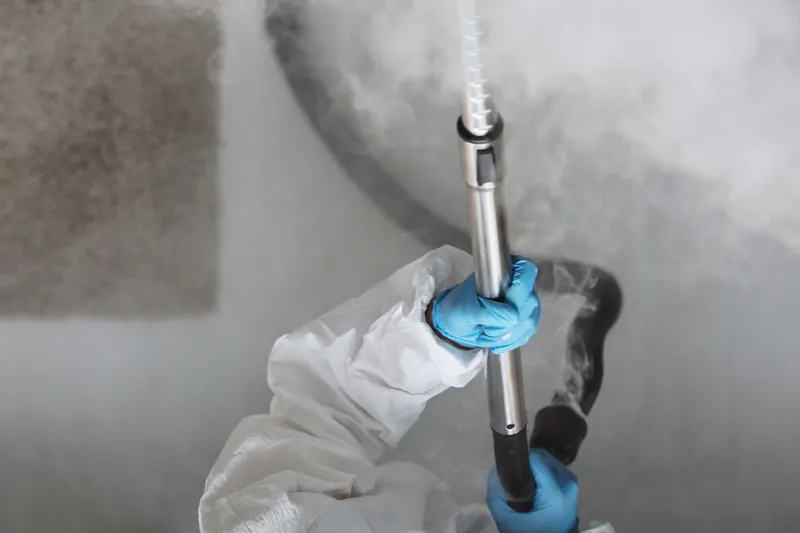
Infectious Disease Disinfection
Infectious disease disinfection with EPA-registered products and full surface coverage.
See infectious disease disinfectionGet high-touch surfaces cleaned and disinfected in a home, office, rental or shared space in Amberley after illness or possible exposure. EPA-registered products are used according to their labels.
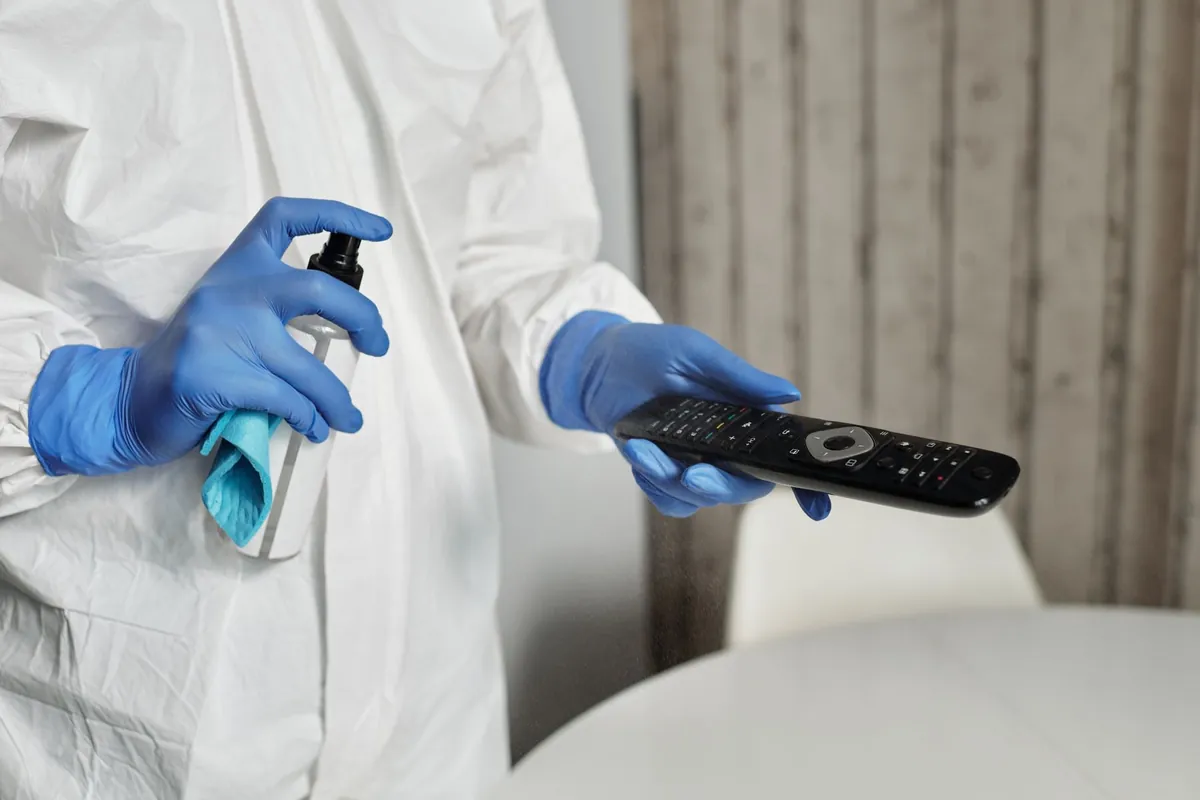
Targeted cleaning for affected rooms and commonly touched surfaces after suspected exposure or illness is known as COVID-19 and virus disinfection. Soil is removed before an EPA-registered disinfectant is applied and left for all of the contact time stated on its label.
The cleaning can include shared settings such as a restaurant, rental, care facility, school, workplace or home. Cleanup technicians look for restroom fixtures, light switches, counters, desks, door knobs and equipment used by several people. They consider surrounding surfaces too, based on what someone might touch while moving from room to room.
This work is sometimes called coronavirus cleaning, COVID-19 decontamination, biohazard decontamination, biohazard remediation or infectious disease cleanup. It is different from ordinary janitorial cleaning. Cleanup crews use protective equipment, product instructions and a written scope so every step can be checked. The remediation process does not replace fresh air, building ventilation, handwashing or staying home when sick.
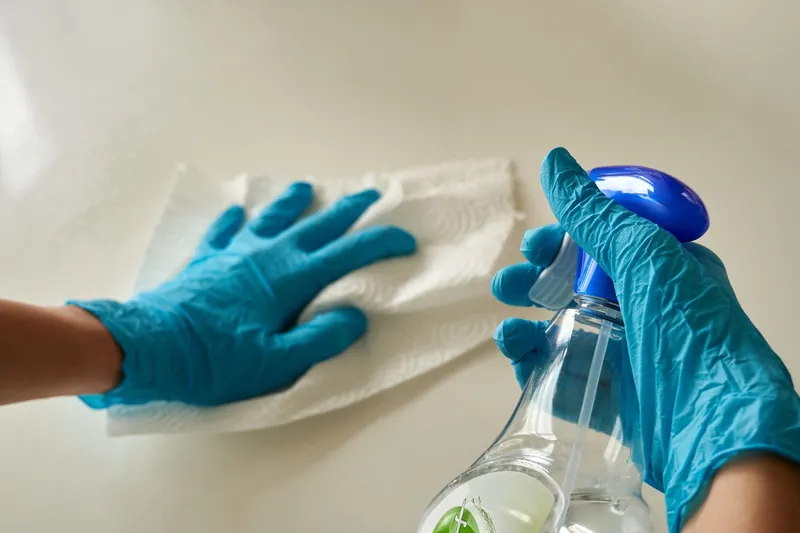
You can check which rooms, surfaces and special materials are included before the cleaning service starts. Comparing the stated work is easier when the scope is clear.
The disinfectant name and label contact time are recorded so you know what was used on the property and can move forward with reopening plans.
When you or your loved ones need privacy, technicians can arrive in unmarked vehicles, wear protective gear and respect personal property.
Instead of treating every situation alike, the scope can be adapted to a rental, restaurant, office, home or other shared setting.
When illness, possible exposure or heavy use by many people creates concern, you may need cleaning that is documented one room at a time. COVID-19 disinfection is especially useful in these common situations:
Before regular use begins again, treatment can cover shared devices, desks, restrooms, break areas and meeting rooms.
Dining areas, service counters, restrooms and compatible back-of-house surfaces can be included without treating food or food-contact items incorrectly.
Stores, gyms and public-facing businesses may need focused cleaning of counters, equipment and other repeated touch points.
A time-sensitive emergency response can focus on the affected area while an owner or manager controls access to surrounding areas. Law enforcement is generally not involved unless a separate incident requires it.
Start by limiting access and gathering clear information about the rooms involved. Before cleanup technicians enter the property:
Call (888) 440-9227No distinct COVID-19 price appears in published guides. Guides for comparable infectious disease disinfection show a range of $1,000 to $10,000. Your actual scope is shaped by room and surface counts, the size of the space, the germ type, any requested air-system work and whether you request testing.
These national ranges are taken from published cost guides, rather than a property visit. An on-site assessment determines your property's price, which is explained to you before the cleanup starts.
Ask about cost: (888) 440-9227Coverage is determined by your policy and the reason the service is needed. Never presume that business, homeowners or renters insurance pays for preventive cleaning for coronavirus. If time permits, ask your insurance company before cleaning begins.
Before counting on coverage, business owners should examine necessary documentation, deductibles, exclusions and communicable disease provisions with the insurance company.
The lease, the location of the affected area and local rules can shape who arranges cleaning in a rental or common area.
A policy may treat standard disinfection as property maintenance rather than covered damage. Find out if a documented illness receives different treatment from another event under your policy.
Save your invoice, photos, product list and cleaning scope. Keeping these records supports insurance assistance by showing insurance companies what cleanup you requested and what was completed.
The work of coronavirus biohazard decontamination proceeds in a controlled order: assess the space, clean it, disinfect it and conduct a final check. Product labels guide the entire process and determine how the different surfaces receive treatment.
Technicians check the rooms, occupancy history, sensitive materials and high-touch points with you before work starts.
When needed, technicians mark or close the cleaning zone and select protective equipment such as gloves and eye protection to suit the environment and products.
Dust and visible soil are removed first because dirt can keep disinfectant from reaching the surface evenly.
Label directions determine the coverage and concentration when compatible surfaces are treated with an EPA-registered disinfectant.
The surface is kept wet for the label's contact period and is not sprayed only to be wiped dry right away.
Shared electronic devices, soft items and unfinished wood get material-suitable care, not saturation with a general-purpose spray.
Each room is reviewed against the checklist, paying close attention to switches, door pulls, shared equipment and fixtures.
You get the finished scope, details about the products and guidance covering ventilation, drying and when you may use the treated space.
You can call anytime. A specialist in COVID-19 and virus disinfection takes your call, explains each step and agrees on a start time with you.
Illness exposure, incorrect chemical use and missed surface areas are the primary risks during disinfection. Careful planning reduces contact that can be avoided and limits serious health concerns, but it does not suggest that cleaning surfaces eliminates every way an illness may spread.
Safety does not always increase with more chemical. Mixing cleaners, choosing an unsuitable product or allowing inadequate ventilation can irritate people and harm fabric, wood, finished materials or electronics.
It is easy to overlook faucet controls, door plates, shared tools and remote controls. A room-by-room checklist helps cover the full affected area.
A disinfectant needs to remain visibly wet for the time stated on its label. Wiping it dry too soon can keep it from working as intended.
Can you clean it yourself? Standard cleaning may suffice if the property has no specific exposure concern and no one is ill now. For a known illness, delicate surfaces, a sizable shared area or a workplace needing a clear scope, professional cleanup can support label compliance and coverage of important touch points.
Most virus disinfection is surface treatment, not demolition. Hard surfaces are cleaned and disinfected when compatible, while damaged or heavily soiled porous items are assessed separately.
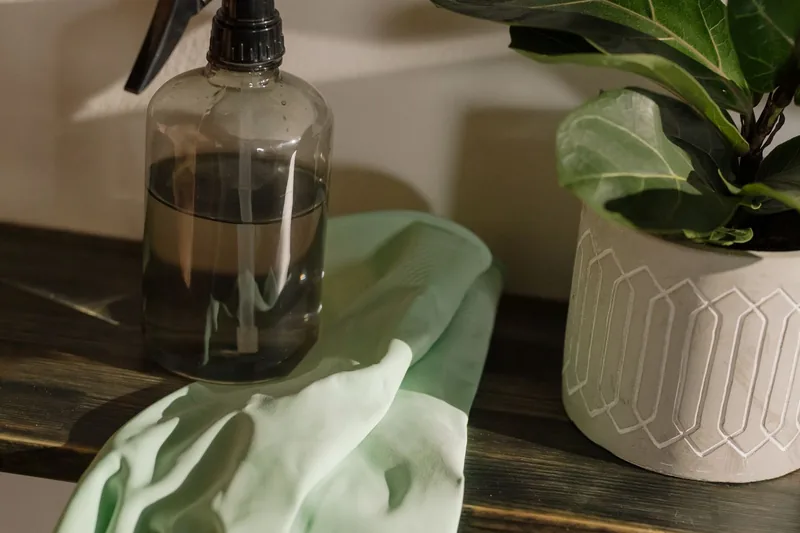
An EPA-registered disinfectant must be appropriate for the surface and target virus, with its instructions followed for application, dilution and full contact time.
Product labeling sets the disinfectant's permitted uses, required airflow and necessary protective equipment.
Federal requirements for worker protection and handling under OSHA Bloodborne Pathogens Standard 29 CFR 1910.1030 apply if the area also contains other potentially infectious materials or blood.
Ohio treats soaked materials from a biohazard scene as infectious waste. Ohio EPA's Division of Materials and Waste Management rules control how it is packaged, transported and treated, so it cannot go in household trash.
A targeted residential cleaning may last several hours. A larger office or commercial property with multiple rooms may need more time, sometimes across stages. Required contact times, room count, furniture volume and surface compatibility all affect the schedule.
The full COVID-19 and virus disinfection guide covers what is cleaned or removed, odor and air quality work, and the rules that apply in Hamilton County.
Read the full COVID-19 and virus disinfection guideLocal housing, population and access details can shape containment, access and cleanup planning.
Because renter occupancy is 1.9%, cleanup discussions often can focus on the household without a separate property manager involved.
The local median build year is 1959, which makes controlled removal important when contamination reaches fragile or absorbent finishes.
There are 108 seniors living alone locally, making simple welfare check plans useful even when the overall share is lower.
Detached and single-family properties account for 100.0% locally, so exterior access and safe waste movement should be planned early.
You can ask about cleanup in nearby communities and ZIP codes during the call.
Infectious disease disinfection with EPA-registered products and full surface coverage.
See infectious disease disinfection
MRSA, C. diff and norovirus cleanup for homes, care settings and gyms.
See mrsa, c. diff and norovirus cleanup
Planning for industrial and commercial biohazard cleanup considers operations and access to the site.
See commercial and industrial biohazard cleanup
Clinics, healthcare facilities and care homes receive biohazard cleanup.
See hospital and healthcare biohazard cleanup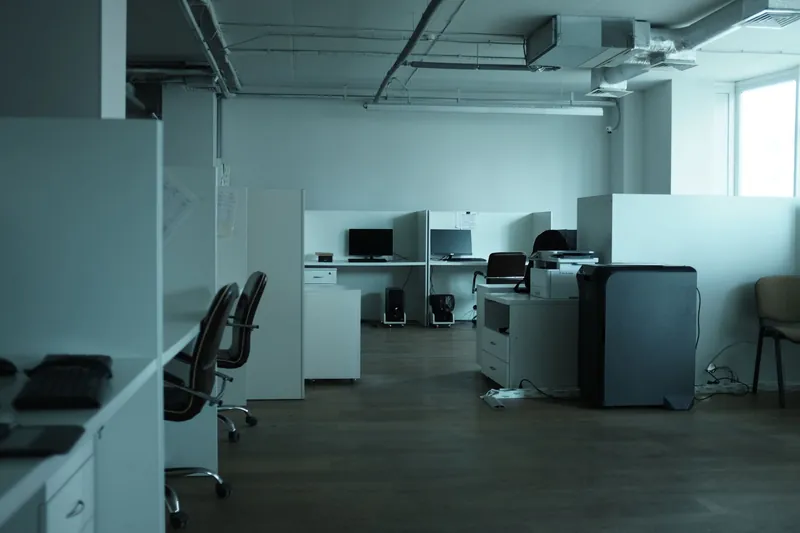
Workplace biohazard cleanup addresses offices after injuries or exposure incidents.
See office and workplace biohazard cleanup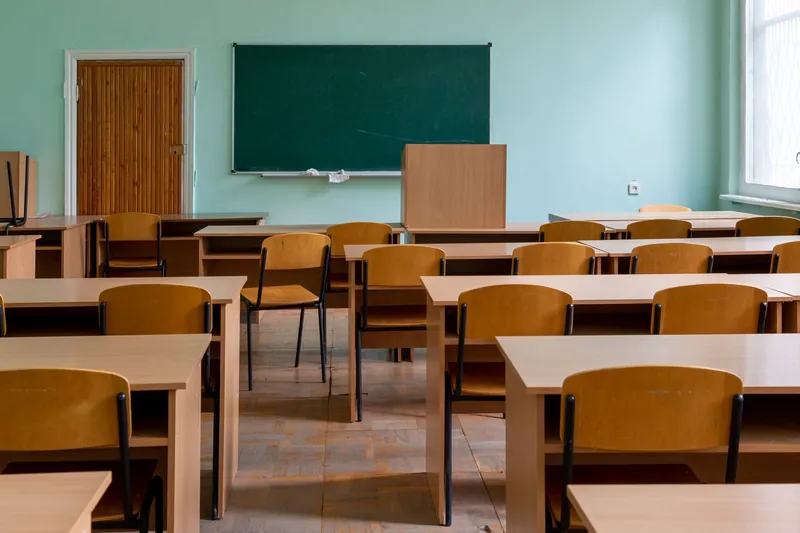
Outside teaching hours, biohazard cleanup treats daycare and school facilities.
See school and daycare biohazard cleanup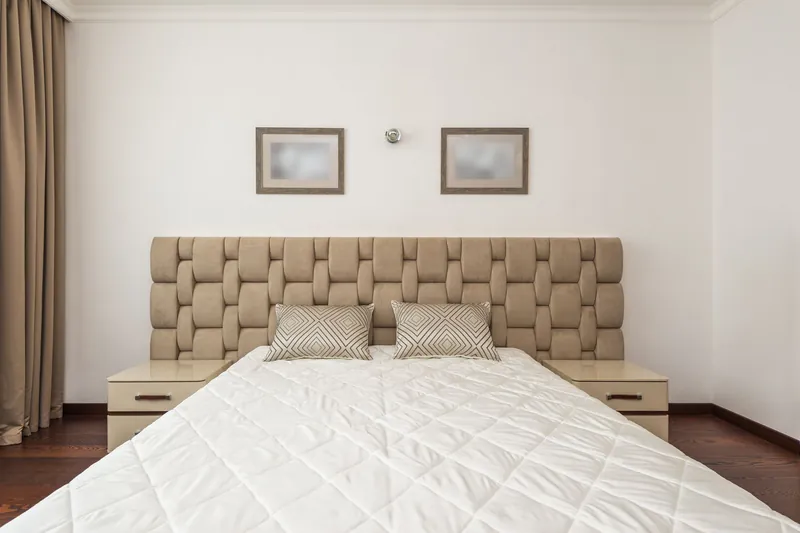
Hotels, rental properties and Airbnb units receive biohazard cleanup.
See hotel, airbnb and rental biohazard cleanup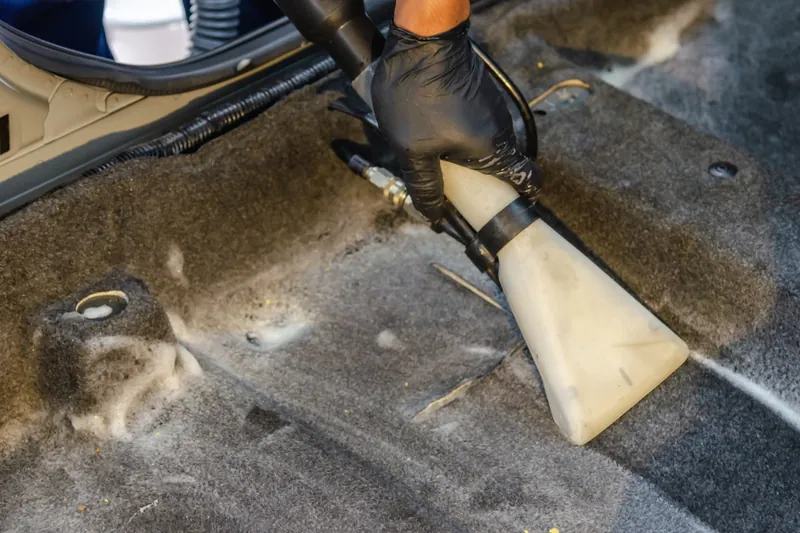
Biohazards are cleaned from carpets and upholstery, or affected materials are removed safely when needed.
See biohazard carpet and upholstery cleaningStart with rooms and touch points used by the ill person. Keep other people away, clean visible soil and disinfect compatible hard surfaces according to the product label. Follow the care instructions when washing suitable fabrics. A professional visit can help with large shared spaces, sensitive materials or a room-by-room scope that needs records.
With an appropriate concentration, surface and wet contact period, alcohol can inactivate the virus responsible for COVID-19 infection. For hard surfaces, use an EPA-registered product or another product recommended by the surface maker, and follow its label. Never spray alcohol around flames or heat, and remember that wiping quickly may not allow adequate contact time.
The virus that causes COVID-19 is a biological agent, and work around known illness calls for exposure precautions. Whether the setting also contains blood, regulated waste or bodily fluids shapes its exact cleanup category. Routine surface disinfection is not the same task as blood cleanup or hazardous waste removal.
Choose an EPA-registered disinfectant whose label supports use against the target virus or directs use for an emerging viral pathogen. The label matters more than a product's scent or strength. You can find the required contact period, protective equipment, application method, dilution and permitted surfaces on the label so the disinfectant works as intended.
Clean visible soil first, then apply an EPA-registered disinfectant that is suitable for the surface and target virus. Keep the fully covered surface wet for as long as its label specifies. Use all protective equipment specified by the label, follow its ventilation directions and never combine cleaning chemicals.
Because viruses are capable of causing disease, they can qualify as biological hazards. The level of risk depends on the virus, route of exposure, setting and task. The actual hazard should determine the disinfection plan. Protective equipment, access control, cleaning and an appropriate disinfectant all have roles, but no single step replaces the others.
Respectful, discreet COVID-19 and virus disinfection is available 24 hours a day, and crews arrive in unmarked vehicles.